

Education spans K-12, higher education, continuing education, EdTech, and workforce development programs. Institutions and providers compete for enrollment, retention, and relevance amid shifting student, parent, and employer expectations, and political and economical conditions. Success depends on understanding decision journeys, perceived value, and what truly drives choice.

Beauty is a fast-moving, highly competitive category driven by trends, efficacy claims, inclusivity, clean ingredients, and personal identity. Brands must continually innovate while staying authentic to what consumers actually want and how they shop and use products.

Healthcare and pharmaceutical markets involve a complex mix of stakeholders, patients, caregivers, clinicians, administrators, and payers, navigating clinical, emotional, financial, and regulatory realities. Clear understanding of real needs, treatment experiences, and decision processes is essential for successful products, support programs, and communication.

These regulated categories operate under strict compliance rules while competing in lifestyle-driven markets. Consumer motivations range from taste and occasion to wellness, social identity, and ritual. Brands need authentic understanding without crossing regulatory or cultural lines.

Food and beverage is shaped by taste, health claims, convenience, sustainability, cultural trends, and occasion. Success requires understanding real consumption contexts and closing the gap between what consumers say and what they actually do.

Travel decisions are emotional, experiential, and influenced by trust, value, convenience, and evolving post-pandemic preferences. Understanding the full journey, from inspiration to booking to on-site experience, is critical for destinations, hospitality brands, and travel providers.

Non-profits must demonstrate impact, engage donors and beneficiaries, and communicate complex missions clearly. Research, strategy, and marketing work together to strengthen reach, retention, program effectiveness, and fundraising results.

The pet industry treats pets as family. Decisions around food, healthcare, products, and services are driven by emotional bonds, perceived quality, convenience, and wellness trends. Brands succeed when they understand the human–pet relationship and the full pet-parent journey.

Consumer electronics feature short product cycles, intense competition, and complex purchase journeys involving features, price, brand trust, ecosystem fit, and user experience. Understanding real usage and decision criteria is essential for successful launches and positioning.

Gaming spans console, PC, mobile, esports, and related hardware and software. Players differ widely in motivation, platform preference, and engagement style. Success depends on understanding player behavior, community dynamics, content preferences, and the full engagement journey.

Data sciences encompasses analytics platforms, AI and machine learning solutions, data infrastructure, business intelligence tools, and related technology services. Companies in this space compete in a rapidly evolving market where buyers demand proven value, seamless integration, trustworthy outputs, and clear ROI. Decision-makers range from technical leaders and data teams to business executives evaluating adoption, vendor selection, and internal capability building. Success hinges on understanding real user needs, adoption barriers, trust factors, and how data-driven tools fit into complex organizational workflows.

Clothing retail spans specialty apparel brands, department stores, boutiques, e-commerce pure-plays, and omnichannel retailers competing in a fast-moving, trend-sensitive category that includes both women’s and men’s wear. Shoppers balance style, fit, quality, price, sustainability, brand values, and convenience across in-store and digital channels. Success depends on understanding real purchase journeys, emotional drivers, sizing and fit frustrations, and how consumers discover, evaluate, and decide what to wear, and where to buy it.

Cybersecurity spans software platforms, managed services, hardware solutions, and advisory offerings designed to protect organizations and individuals from evolving digital threats. Buyers range from CISOs and IT leaders to business executives evaluating risk, compliance, and vendor reliability. Decision-making is shaped by trust, proven effectiveness, ease of integration, regulatory pressure, and the need to balance strong protection with operational efficiency. Success depends on understanding real security concerns, adoption barriers, and how buyers evaluate and select solutions in a high-stakes, rapidly changing market.

The kids, teens, and toys category includes toys, games, educational products, apparel, entertainment, and digital experiences aimed at children and adolescents, and the parents and caregivers who influence or make purchase decisions. The market is shaped by developmental needs, safety concerns, educational value, entertainment appeal, peer influence, and evolving digital habits. Success depends on understanding both the end users (kids and teens) and the gatekeepers (parents), along with the emotional, practical, and social drivers that shape choice.
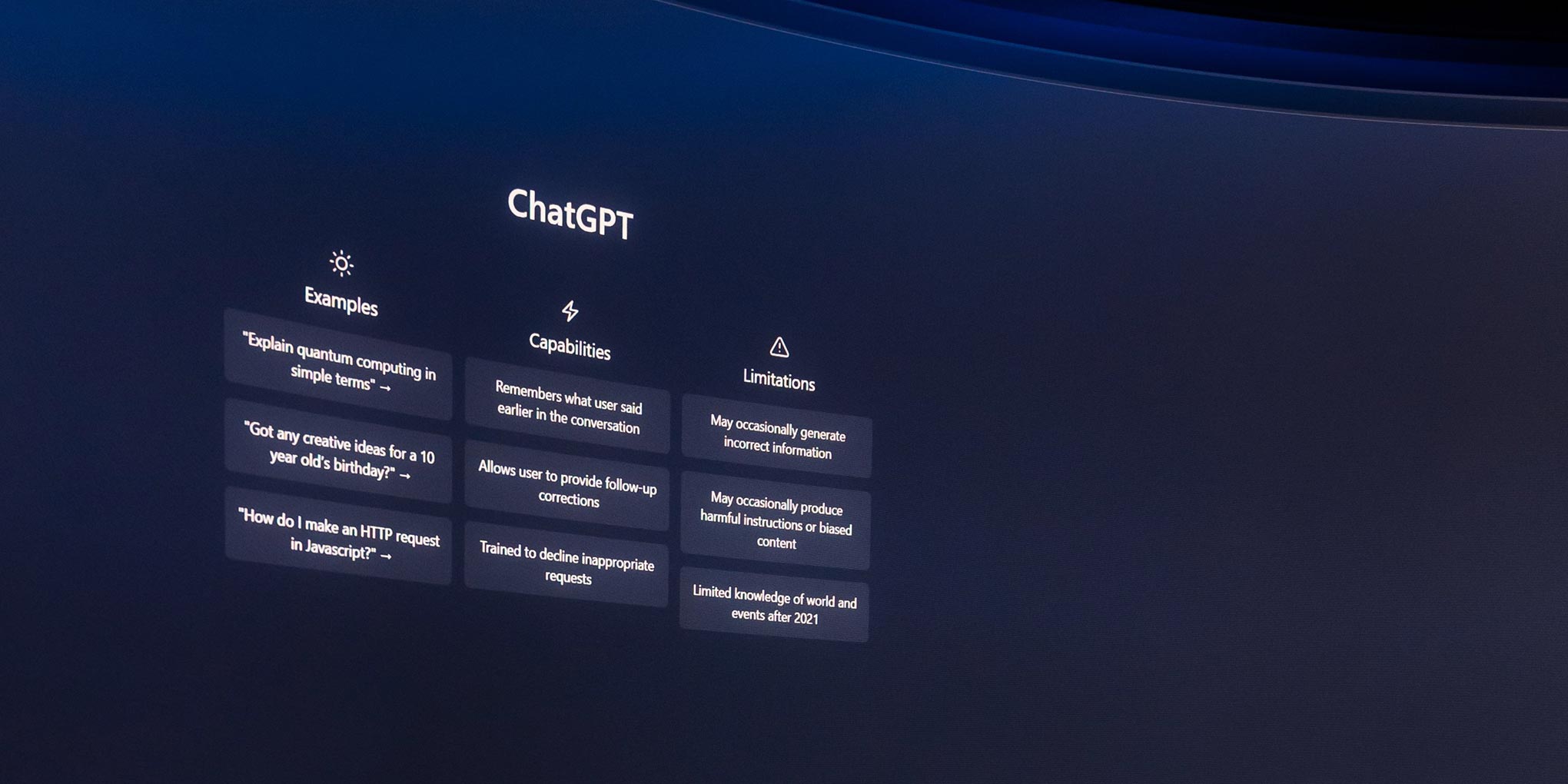
Artificial intelligence and machine learning span platforms, tools, infrastructure, applications, and services that help organizations automate processes, generate insights, personalize experiences, and solve complex problems. Buyers range from technical leaders and data teams to business executives evaluating adoption, ROI, integration, trust, and risk. The market moves quickly, with decisions shaped by proven performance, ease of use, data readiness, ethical considerations, and the need to turn advanced capability into practical business value. Success depends on understanding real user needs, adoption barriers, and how decision-makers evaluate and implement AI and ML solutions.
